Source Medium Pressure Teflon Lined Pipe for Oil Gas Water
Find 30 listings for medium pressure teflon lined pipe suitable for oil, gas, and water applications. Compare specifications including density, temperature range, and customization options to identify the right fittings for your industrial needs.
Key considerations
Products List




Comprehensive Sourcing Guide
Medium Pressure Teflon Lined Pipe Sourcing Guide
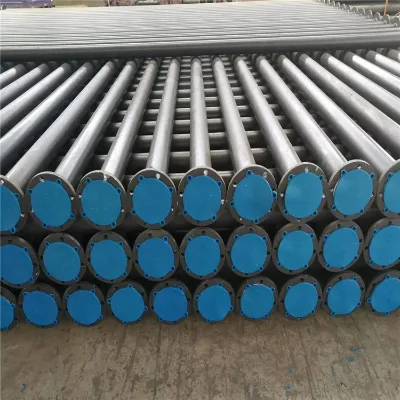
Procuring medium pressure teflon lined pipe requires a precise understanding of the distinct material properties that define performance in aggressive chemical environments. The core of this product category relies on the synergy between a structural steel substrate and a chemically inert PTFE lining, creating a composite component capable of withstanding corrosive media while maintaining mechanical integrity under pressure. Buyers must recognize that the "medium pressure" designation is not a universal constant but a variable dependent on the specific wall thickness, the grade of the steel alloy, and the bonding method used during the manufacturing process.
The sourcing landscape for these components is characterized by a wide variance in product configurations, ranging from standard elbows to custom-length straight pipes. While the observed market data indicates a price range from $0.24 to $15,000, this disparity reflects differences in dimensions, wall thickness, and the complexity of the lining process rather than a single standardized unit cost. A successful procurement strategy begins by defining the exact operating parameters, such as the specific medium being transported and the required temperature range, to filter out products that may meet general specifications but fail under the unique stress conditions of the intended application.
Product Scope and Observed Listing Signals
When evaluating product listings, buyers should look for specific indicators that confirm the presence of a PTFE lining rather than a generic plastic coating. The observed data highlights products explicitly labeled as "PTFE Lined Elbow" or "PTFE" with a density of 1.78 g/cm³ and a friction coefficient of 0.04, which are characteristic of high-purity polytetrafluoroethylene. These physical attributes are critical for applications involving oil, water, and gas, where the low friction coefficient ensures minimal pressure drop and the chemical resistance prevents degradation from the transported medium.
The scope of available products also includes variations in structural design, such as two-layer structures and thick-wall pipes, which are essential for maintaining pressure integrity in demanding industrial settings. Listings often specify the section shape as round and the end connection as plain, but the ability to customize length and size is a frequent feature, with observed options including 6m and 12m standard lengths or fully custom dimensions. Buyers must verify that the "customization" attribute extends to the lining thickness and the specific steel grade, ensuring the final product matches the mechanical requirements of the pipeline system.
Technical Specifications to Verify
The thermal and mechanical stability of the pipe is paramount, with observed specifications indicating a temperature range of -30 to 150 Centigrade for the PTFE component and a broader working temperature of -150 to 260 °C for the overall assembly. It is crucial to distinguish between the limits of the lining material and the structural steel, as the medium pressure rating is heavily influenced by the steel's ability to contain the internal pressure without yielding. Buyers should verify the elongation at break, which is observed in the range of 20-50 MPa, to ensure the material can accommodate thermal expansion and contraction without delamination or cracking.
Dimensional accuracy and surface integrity are equally critical for ensuring a leak-free installation and long-term service life. The observed tolerance of ±1% and the availability of surface treatments like galvanization suggest a focus on precision and corrosion resistance for the outer steel layer. However, the internal lining must also be scrutinized for defects, as the water absorption rate of less than 0.01% and a contraction percentage of less than 0.4% are key indicators of a high-quality, non-porous PTFE bond. Any deviation from these observed metrics could compromise the pipe's ability to handle the specified medium of oil, water, and gas without failure.
Compliance and Safety Documentation
Ensuring that the supplied pipes meet international and regional safety standards is a non-negotiable step in the procurement process. The observed data references compliance with ASTM standards and the specific Chinese standard GB/T9711-2017, which governs the requirements for steel pipes used in pipeline transportation systems. Buyers must request and verify that the specific batch of pipes being purchased carries documentation confirming adherence to these standards, particularly regarding the pressure testing and material composition of the steel substrate.
In addition to material standards, the manufacturing facility's quality management systems provide a layer of assurance regarding consistency and traceability. Certifications such as ISO 9001 and CE are frequently cited in the market, indicating that the supplier has established processes for quality control and product safety. However, buyers should not assume that a general certification covers the specific lining process; it is necessary to confirm that the welding and surface treatment processes, which are listed as available services, are performed under the same certified quality protocols to prevent defects that could lead to catastrophic failure in service.
Cost Drivers and Commercial Terms
The commercial terms for medium pressure teflon lined pipes are influenced by several variable factors, including the customization level, the specific steel grade, and the complexity of the lining application. The observed selling units range from single items to bulk orders, with minimum order quantities (MOQ) varying from 1 to 5000 units, allowing for flexibility in procurement strategies for both small-scale projects and large industrial deployments. The pricing structure often reflects the "actual weight" invoicing method, meaning that the final cost is directly tied to the mass of the steel and the volume of the PTFE lining used, rather than a fixed per-unit price.
Lead times and logistics also play a significant role in the total cost of ownership, with observed delivery times ranging from 15 to 21 days for standard orders. Buyers should account for the potential for extended lead times when custom specifications, such as unique lengths or specialized surface treatments, are required. Furthermore, the choice of transport, typically sea freight for international shipments, adds to the overall cost and must be factored into the budget, especially given the heavy nature of steel pipes and the need for secure packaging in export cartons to prevent damage during transit.
Supplier Qualification and Quality Control
Selecting a qualified supplier requires a deep dive into their manufacturing capabilities and their history of producing lined pipe products. The observed data indicates that suppliers are located in key industrial regions such as Zhuzhou and Hebei, China, which are known for their steel processing and chemical equipment manufacturing sectors. Buyers should verify the supplier's experience with specific processes like welding and surface treatment, as these steps are critical for ensuring the structural integrity of the pipe and the adhesion of the PTFE lining to the steel substrate.
Quality control measures must be rigorous, extending beyond the final product inspection to include raw material verification and in-process testing. The observed lifespan of 30 to 50 years or more is a significant selling point, but it is contingent upon the supplier's ability to maintain consistent quality in the lining process and the corrosion rate, which is observed to be between 0.001 and 0.01. Buyers should request detailed quality reports that include test results for the friction coefficient, density, and water absorption, ensuring that the product meets the high-performance standards required for applications in water treatment plants, the oil and gas industry, and chemical processing facilities.
Long-Term Procurement Checks
Establishing a long-term procurement relationship involves setting up a framework for ongoing quality assurance and performance monitoring. Buyers should implement a system for periodic audits of the supplier's production lines to ensure that the customization capabilities and standard compliance remain consistent over time. Given the critical nature of medium pressure applications, it is advisable to conduct random sampling and third-party testing of delivered batches to verify that the observed attributes, such as the Shore D hardness of 80 and the specific temperature range, have not drifted due to changes in raw materials or manufacturing processes.
Finally, the procurement strategy should include a review of the supplier's ability to provide technical support and warranty coverage for the installed pipes. The observed features, such as the anti-corrosion properties and the ability to handle a wide range of media, are only valuable if the supplier stands behind the product with reliable after-sales service. Buyers should document the specific performance metrics observed during the initial sourcing phase and use these as benchmarks for future evaluations, ensuring that the long-term procurement checks align with the initial expectations of a 30 to 50-year lifespan and robust performance in demanding industrial environments.
FAQs
What is the temperature range for medium pressure teflon lined pipe?
The operating temperature range spans from -30 to 150 degrees Celsius. This ensures stability in various industrial environments while maintaining the integrity of the PTFE lining and steel structure under medium pressure conditions.
Can the product dimensions be customized for specific projects?
Yes, customization is available for size and length to meet unique project requirements. Buyers can request specific lengths such as 6 meters or 12 meters, or fully customized dimensions to fit their pipeline systems.
Which certifications do the manufacturers typically hold for these pipes?
Manufacturers often hold ISO 9001 and CE certifications to ensure quality management. These standards verify that the production processes meet international requirements for safety and reliability in industrial applications.
How long is the delivery time for orders of medium pressure pipes?
The standard delivery time ranges from 15 to 21 days after order confirmation. This lead time accounts for processing, quality checks, and packaging in export cartons before shipping via sea freight.
What is the minimum order quantity for purchasing these lined pipes?
The minimum order quantity can range from 1 to 5000 units depending on the supplier. Buyers should verify specific MOQs as they vary based on customization needs and current production capacity.
Which material grade is used for the core of these pipes?
The core material is typically carbon steel with a non-alloy grade. This provides the necessary structural strength while the PTFE lining offers excellent corrosion resistance for handling oil, water, and gas.
What is the expected lifespan of medium pressure teflon lined pipes?
The expected lifespan is between 30 to 50 years or more under normal conditions. This durability is supported by the anti-corrosion features and the low friction coefficient of the PTFE lining.